
Toyota of Bellevue

Blog / Bellevue Toyota Service

Does Your Toyota Need a Transmission Repair?

transmission repair in bellevue washington

Without a fully functioning transmission, the power of your car's engine cannot reach the wheels. It's important to pay attention to the health of your gearbox to ensure it keeps doing a good job. If your ordinarily quiet, smooth transmission ever starts acting out of character in the following ways, visit your local Toyota dealership for transmission repair without delay. 

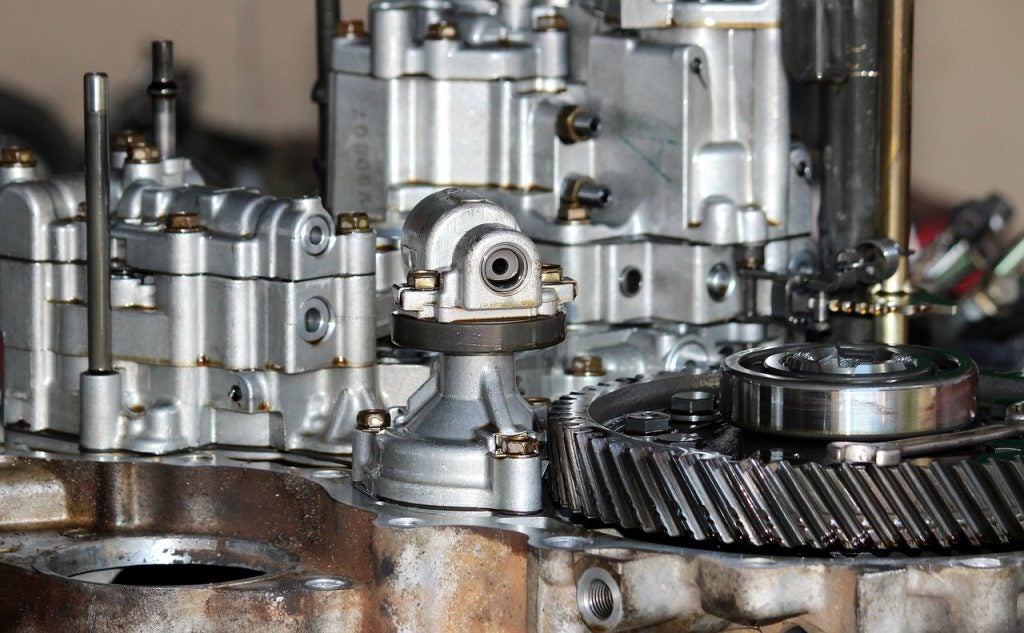
Photo by: Counselling via pixabay.com

Jerking When Shifting

Any bucking or jerking when you're shifting gears may mean you have a problem with the transmission fluid, a malfunctioning sensor, or the vacuum modulator valve in older models. Have a technician take a look before it causes worse problems.

Hesitating Gear Shifts

If your transmission ever responds with hesitation when you try to shift into reverse or drive, you may have a problematic solenoid or low fluid. Hesitant gear shifts can also be caused by worn-out gears.

Excessively Noisy Gears

A faltering transmission might make all kinds of unusual noises. Whining sounds may point to a faulty torque converter or clogged transmission lines. Gurgling sounds may indicate leaking or low transmission fluid. Grinding is often the worst noise to hear, as grinding indicates problems inside the planetary gear system. 

Sticking Gears

When gears stick and refuse to shift easily, a clogged transmission filter may be causing problems with the hydraulic pressure. Incorrect or degraded fluid can also lead to sticking gears. 

Slipping Gears 

If a transmission ever starts to slip into different gears or into neutral on its own, it's likely that some of the gears are worn down and are having trouble properly engaging. Slipping gears is a serious problem that needs to be repaired as soon as possible.

Dragging Clutch

A dragging clutch means the clutch is not disengaging fully, and it's dragging on the assembly. This could be due to an overly tight clutch release mechanism or a worn-out clutch hub or basket. 

Burned Fluid Smell

When transmission fluid grows too old and starts to degrade, the heat inside the transmission can start to burn it. You may catch a burning smell in the cabin, coming from the air vents. 

Flush Transmission Fluid Often at Your Toyota Dealer

A majority of gearbox problems stem from degraded, low, or leaking transmission fluid. You can keep your transmission healthy and avert most of the above problems with periodic visits to your local dealership to have your transmission fluid checked and flushed. It's usually recommended to have transmission fluid flushed every 30,000 to 60,000 miles, but check your owner's manual to see the appropriate interval for your model. 

Have your transmission inspected and repaired today by qualified professionals at Michael's Toyota of Bellevue. We've been helping the region's drivers enjoy a better driving experience for over 40 years.

Posted in:

Related Posts

Driver using Toyota vehicle dashboard with digital display and infotainment screen.

Toyota Safety Sense: Smart Protection That Works in the Background

Toyota Safety Sense, often shortened to TSS, is less about adding complexity and more about making everyday driving feel more controlled. It’s a collection of systems designed to step in when attention slips or conditions change. For drivers in the PNW, that goes noticed. Traffic builds, gaps close quickly, and having an extra layer of awareness makes a difference. more Forward Collision Support That Reacts Quickly At the core of Toyota Safety Sense is the Pre-Collision System with Pedestrian Detection. It uses a forward-facing camera and radar to monitor what’s ahead, constantly checking for vehicles or people in your path. If something develops too quickly, the system alerts you first. If there’s no response, it can apply braking automatically to reduce impact or avoid it altogether. It’s not intrusive, but it’s always active, which is exactly how it should be. Lane Control That Subtly Keeps Things in Line Lane Departure Alert with Steering Assist focuses on something drivers don’t always notice right away. Drift. If the vehicle begins to move out of its lane without a signal, the system issues a warning. In many models, it also adds a light steering correction to guide the vehicle back. It’s a small adjustment, but on longer drives or in heavier traffic around Bellevue, it helps maintain consistency without constant input. Cruise Control That Thinks Ahead Dynamic Radar Cruise Control changes how highway driving feels. Instead of holding a fixed speed, it adapts to the vehicle in front, maintaining a set distance automatically. Traffic slows, your vehicle slows. Traffic clears, it returns to speed. The result is a smoother drive with less need for constant adjustments, especially useful on longer stretches where fatigue can build. The Supporting Features That Complete the System Toyota Safety Sense doesn’t stop with the primary systems. Depending on the model, it also includes features that quietly improve visibility and awareness. Automatic High Beams adjust lighting based on surrounding traffic, while Road Sign Assist helps keep important information in view. These aren’t headline features, but they contribute to a more informed and controlled drive. Explore Toyota Safety Sense at Michael’s Toyota of Bellevue Toyota Safety Sense is designed to work without drawing attention to itself, stepping in only when needed. That balance is what makes it effective. If you want to see how it operates in real conditions, visit us in Bellevue, WA. You can explore current models equipped with TSS and schedule a test drive online to experience how these systems support you on the road.

A Toyota Service advisor performing regular maintenance on a Toyota vehicle

Is Regular Maintenance Key to a Toyota Vehicle's Longevity?

Owning a Toyota is a long-term investment in reliability, comfort, and peace of mind. However, to ensure that your vehicle continues to perform at its best, consistent and regular maintenance is essential. From routine oil changes to tire rotations and brake inspections, each service ensures that your Toyota stays in optimal condition for years. The importance of adhering to your car's service schedule cannot be overstated. Below, we explore why this commitment to maintenance is critical for your vehicle’s performance, longevity, and safety. Does Regular Car Maintenance Maximize Performance and Fuel Efficiency? Regular maintenance is vital to ensure that your Toyota operates efficiently and delivers top-tier performance. From the engine to the transmission, a well-maintained vehicle experiences fewer disruptions. Replacing air filters, checking fluid levels, and maintaining the exhaust system all play roles in maintaining the vehicle’s overall functionality. Not only does this increase your car’s reliability, but it also boosts fuel efficiency. When all components are working harmoniously, your Toyota doesn’t have to work harder, and this reduces fuel consumption. In turn, this means you can go further without constantly worrying about refueling. more Does Regular Vehicle Maintenance Enhance Vehicle Safety? A well-serviced Toyota is a safer vehicle for you and your passengers. Critical safety systems, such as brakes, tires, and suspension components, must be checked and maintained to ensure their proper functioning. Neglecting these systems can lead to unexpected failures, which could pose a danger on the road. Regular brake inspections, tire rotations, and alignment checks help prevent issues such as uneven tire wear or decreased braking performance. Ensuring that your Toyota is in top shape not only extends its lifespan but also makes certain that you're prepared for any road situation with the utmost confidence. Does Having Your Vehicle Maintained Regularly Avoid Expensive Repairs? By adhering to the recommended maintenance schedule, you’re reducing the likelihood of expensive repairs down the line. Small issues that are caught early during regular service visits can prevent more significant, costly problems in the future. It’s far more economical to replace a worn-out part during a routine service visit than to wait for it to fail, possibly causing damage to other components. By investing in regular maintenance, you're essentially investing in the longevity of your Toyota and helping protect your wallet from unexpected repair bills. Why Service Your Vehicle at a Toyota Dealership in Bellevue, WA? When it comes to your Toyota’s maintenance, there's no better place than Michael's Toyota of Bellevue. Our team of certified technicians knows every aspect of your Toyota and is dedicated to providing high-quality service. We pride ourselves on ensuring that your vehicle runs smoothly with genuine Toyota parts and professional care. Whether it's a routine checkup or more extensive maintenance, our Bellevue location offers exceptional service and ensures that your car receives the best treatment. Trust us to keep your Toyota running for miles to come. Schedule your vehicle for service online today!

toyota hybrid battery maintenance in bellevue washington

Toyota Hybrid Battery Maintenance

If you've just bought a new hybrid, you now have two motors to look after – the combustion engine and the battery pack – and you'll need to learn a few new maintenance procedures. Caring for your gas-powered engine is much the same as with any other traditional car, but the battery pack is a different story. The following Toyota hybrid battery maintenance guidelines will ensure that your hybrid's battery motor lasts as long as possible in great shape. more Avoid Depleting Your Battery When a hybrid's battery fully discharges and sits empty, it begins to wear down and lose capacity. You can avoid this and keep your battery strong by always keeping it at 20 percent charged or more. Plan your daily drives in advance with this minimum charge in mind to ensure that you don't unintentionally allow your battery charge to fall too low. Use Your Car and Battery Frequently Your car's battery will slowly deplete when sitting unused, which will eventually empty it and damage the battery. Even when properly charged, too much idleness causes wear and tear. Similarly to the muscles in our bodies, neglecting to use your battery causes it to weaken while regular exercise keeps it strong. With this in mind, try to drive your hybrid (using the battery motor) at least once a week. Don't Fully Charge Your Battery, Either Electric battery packs also suffer and wear down faster when fully charged. It's therefore best to avoid charging to 100 percent. Instead, charge to 80 percent at most; you may be able to use a special limiter function in your car to prevent the battery from charging more than this. Avoid Fast-Charging Stations If vehicle longevity is a priority for you, the healthiest kind of charging for hybrid batteries is sedate 120 or 240-volt charging. Fast-charging stations are useful on occasion, but shouldn't become the norm. Such rapid charges strain the battery, shortening its lifespan. Again, planning your trips in advance should help you to avoid the need for fast charging. Protect Your Battery From Extreme Temperatures Both extreme heat and cold cause a battery to deteriorate faster, lessening its lifespan and capacity. The optimal temperature range for these batteries is typically between 59 and 95 degrees Fahrenheit. Whenever the temperature climbs above or falls below this range, keep your vehicle protected by parking under shade or indoors, and keep your battery's cooling system well-maintained at all times. Visit Toyota of Bellevue in Bellevue, WA, today to have specialist technicians take care of your hybrid. Since 1974, our award-winning dealership has been providing the drivers of our local community and the surrounding area with excellent vehicles, deals, and customer service.